Key Takeaways
- Compare quotes line-by-line on inclusions and exclusions—the lowest price often omits essential site or authority items.
- Ask who will physically supervise your site week to week and how many builds they manage at once.
- Verify appropriate state builder registration/licensing, insurances and standard-form contract terms.
1. Look Past the Headline Number to Scope Completeness
When three builders price the same set of drawings and one comes back noticeably cheaper, the difference rarely comes from cheaper bricks or timber—most builders buy from comparable trade supply chains. Almost always, a lowball tender has excluded items or set unrealistically low provisional allowances.
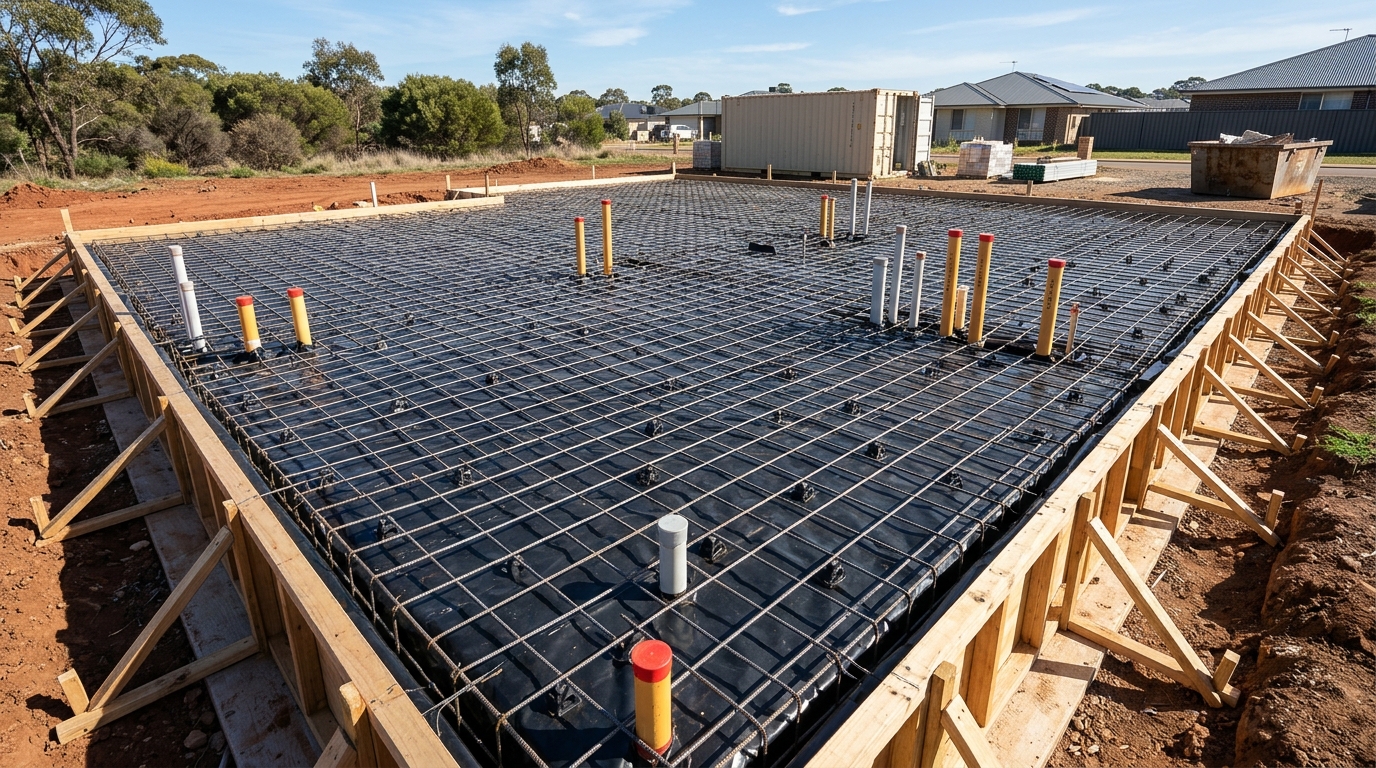
Review every proposal side-by-side to check whether earthworks, rock allowances, retaining walls, service connections, temporary fencing, engineering inspections, waterproofing membranes and joinery hardware are explicitly included.
2. Verify Registrations, Insurances and Contract Clarity
Before entering into any construction agreement in Australia, confirm that the contracting entity holds the required builder registration or licence for your state or territory and project class (residential or commercial).
Check certificates of currency for Construction Works (Contract Works) insurance, Public Liability insurance and statutory Home Building Compensation / Domestic Building Insurance where required by state legislation.
- Ensure contracts use recognised industry forms with clear progress stages matched to physical work completed on site.
- Confirm how variations are priced, approved in writing and scheduled before extra work proceeds.
- Clarify defects liability / post-handover maintenance periods and statutory warranty documentation.
3. Evaluate Site Supervision and Trade Continuity
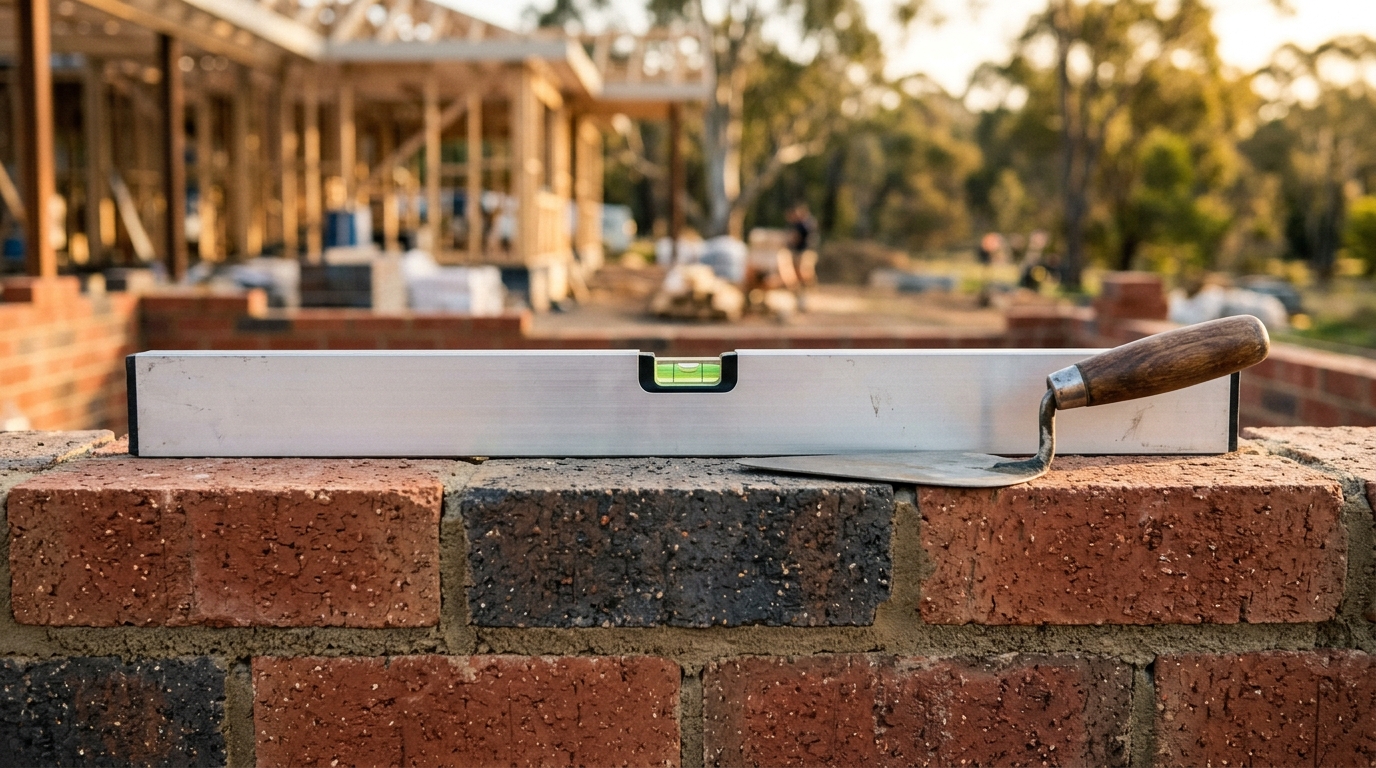
A company brochure does not lay bricks or check waterproofing falls—the site supervisor and trades do. Ask how your project will be supervised day to day, how quality hold points are documented before linings cover framing, and whether the builder works with established, vetted subcontractors.
4. Test Communication Responsiveness Early
Notice how clearly a builder communicates during pre-construction. Do they flag drawing discrepancies honestly? Do they answer questions in plain English and return calls promptly? Clear, structured communication before contract signing is the strongest predictor of a calm site experience.