Key Takeaways
- Rushing onto site with incomplete drawings forces expensive rework and trade idle time.
- Ignoring drainage, waterproofing detailing and articulation joints causes long-term structural deterioration.
- Making ad-hoc verbal changes on site instead of documented variations derails both cost and schedule.
Mistake 1: Starting on Site With Incomplete Documentation
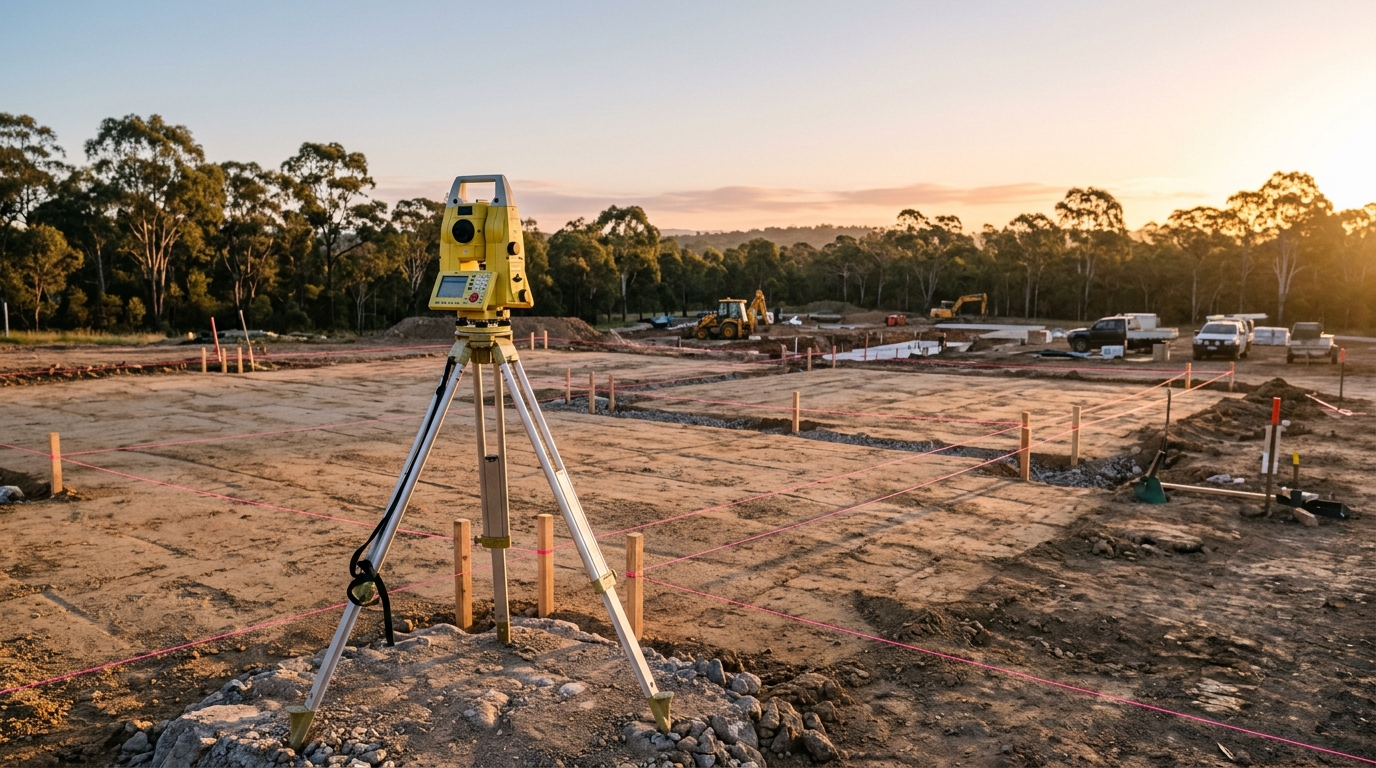
Eagerness to see excavation start sometimes tempts project owners to begin construction while engineering junctions, window schedules or bathroom set-outs are still unresolved.
On site, every unanswered question halts sequencing: plumbers cannot rough-in mixers without selected tapware bodies, framers cannot set cavity sliders without door sizes, and cabinetmakers cannot measure until plastering is fixed. Resolving documentation completely before mobilisation keeps trades moving in one clean pass.
Mistake 2: Underestimating Drainage and Moisture Management
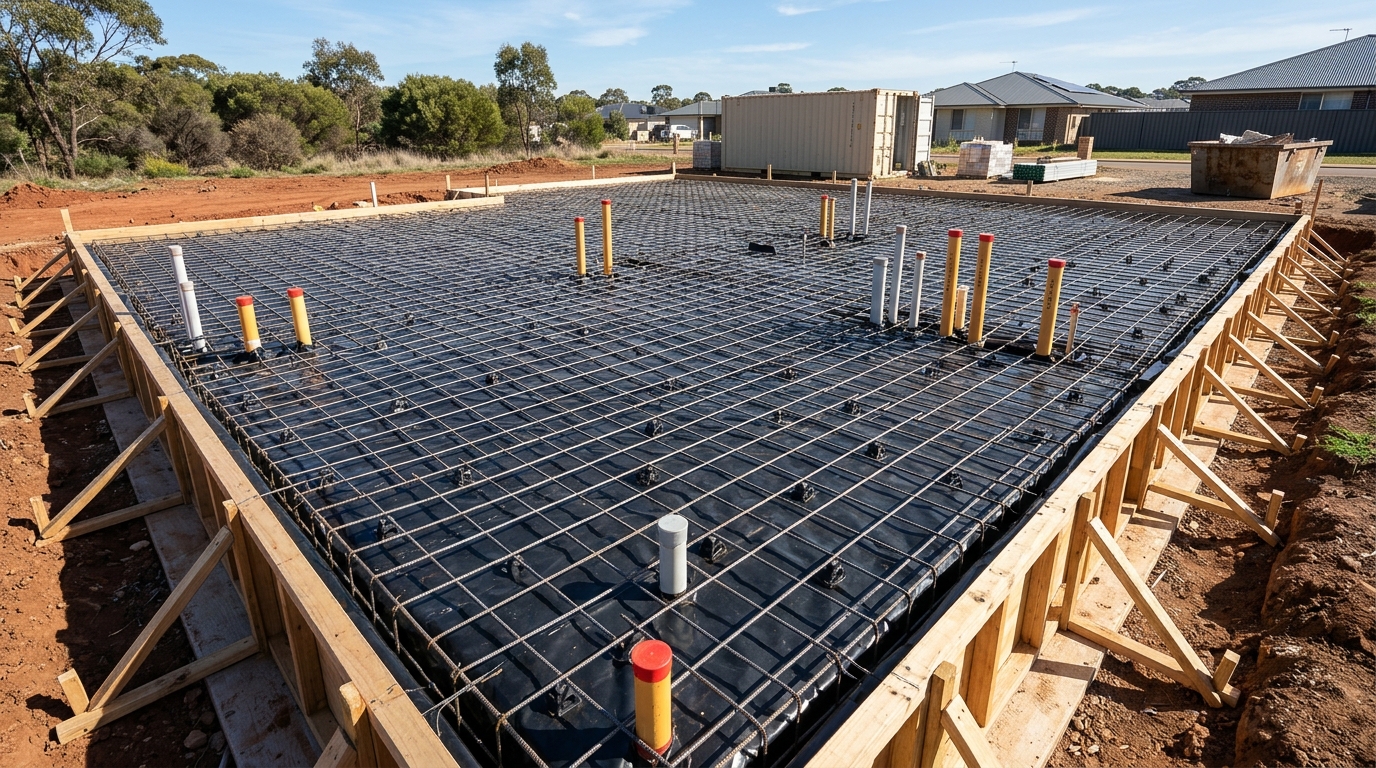
Water is the primary enemy of buildings. Poorly graded site drainage around slabs, retaining walls built without proper tanking and agricultural drains, rushed wet-area waterproofing membranes or badly flashed roof penetrations lead to movement, efflorescence, timber decay and internal leaks.
Treating drainage, damp-proof courses, flashings and membrane cure times as non-negotiable hold points protects the structure for decades.
Mistake 3: Skipping Movement Joints in Masonry and Concrete
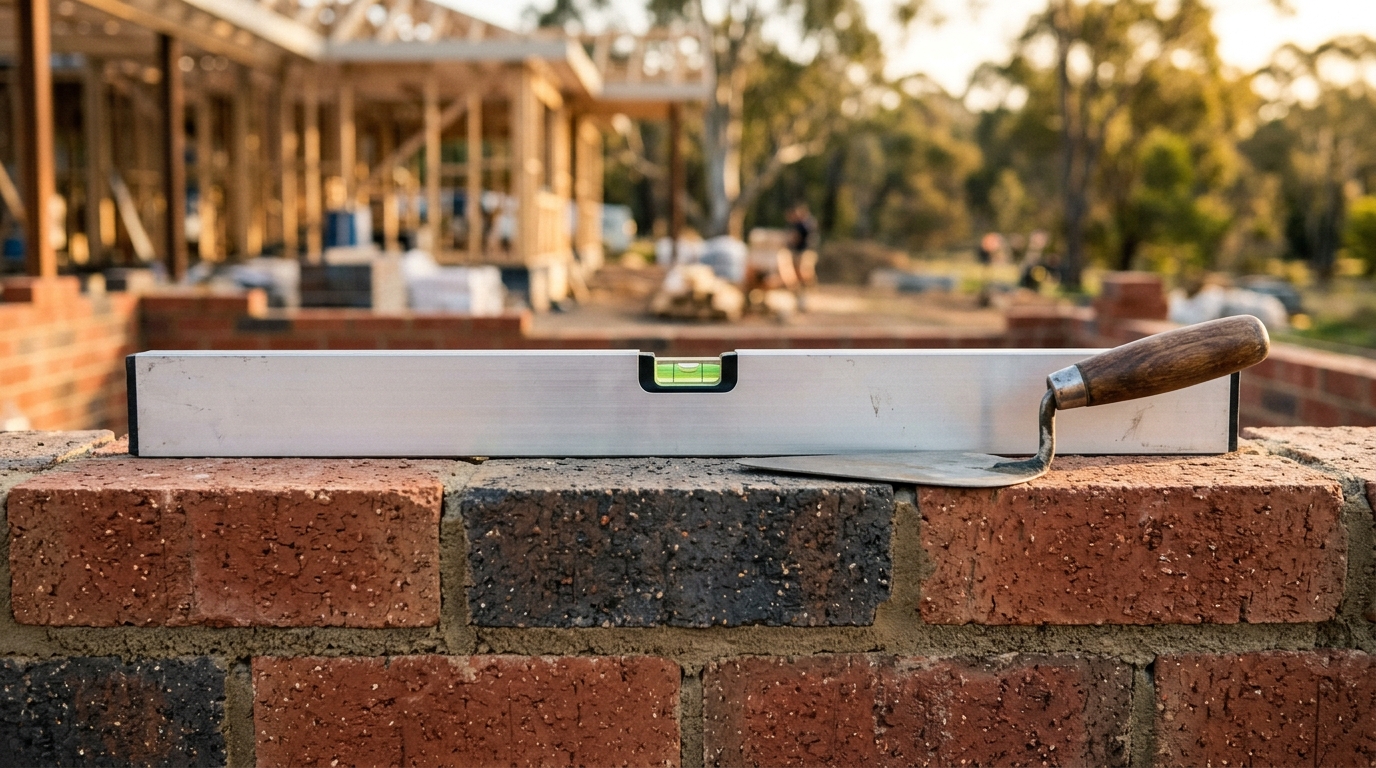
Australian climates subject external brickwork and concrete slabs to wide thermal expansion and seasonal soil moisture shifts. When articulation joints, brick ties or slab saw-cuts are omitted or bridged with hard render, stress relieves itself through stepped masonry cracking.
Following structural engineering specifications and masonry standards (AS 3700) ensures buildings flex safely where intended.
Mistake 4: Informal On-Site Changes Without Scope Control
Asking a trade directly on site to move a wall or add recessed lighting without routing the request through the site manager often clashes with concealed beams, duct paths or compliance clearances—and creates end-of-project invoice disputes.
Routing every change through a single site manager with written cost and programme confirmation keeps everyone aligned.